


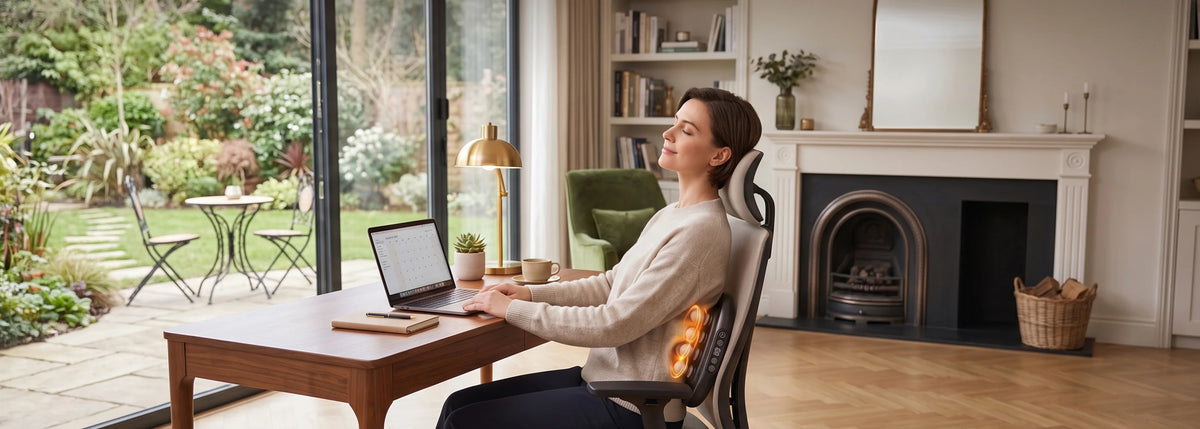
Lower back discomfort is one of the most common reasons people seek relief at home.
It can result from long hours of desk work, repetitive strain, poor posture, or simply the daily wear and tear of living an active life. While medical advice is essential for persistent or severe pain, many people experience meaningful relief through a well-rounded self-care plan. Massage can play an important role when used safely and consistently, helping to reduce muscle tension, improve blood flow, and support mobility. This article focuses on practical steps you can take at home, with the BestGod Triple Fusion Massager as a core tool in your routine.
What makes a back massage device effective
When evaluating a back massager, you’re looking for a combination of coverage, adjustability, and ease of use. Some key factors include:
- Multiple massage modes or patterns that target large muscle groups (upper back, mid-back, lower back) and tight knots.
- Adjustable intensity so you can start gently and progressively increase as tolerance builds.
- An ergonomic design or handle that makes it easy to reach the mid-back and sides without overstraining your shoulders.
- Heat or warmth options to help relax muscles and improve tissue pliability.
- Portability and weight for easy use on a couch, bed, or chair, plus quiet operation if you use it in shared spaces.
- Durability and a reasonable warranty that supports regular use over time.
Features to look for in the BestGod Triple Fusion Massager
The BestGod Triple Fusion Massager is designed to deliver a versatile approach to back relief. While product details can vary, consider the following features as you assess its fit for your routine:
- Three distinct massage nodes or zones that can cover broad areas or focus on tight points.
- Interchangeable massage heads or configurable patterns to accommodate different muscle groups.
- Variable intensity levels to match your comfort and therapy goals.
- Potential heat function or warming capability to help loosen deep tissue before and after movements.
- User-friendly controls and a balanced design that minimizes strain while you use it on your back or shoulders.
How to choose the right back massager for your needs
Choosing a massager is a personal decision that depends on your body, space, and lifestyle. Here are practical guidelines to help you decide whether the BestGod model—and massage therapy in general—fits your back-care plan:
- Identify your target area. Are you mostly dealing with upper back knots, mid-back stiffness, or lower back tension? A device with broad coverage and adjustable zones is usually preferable.
- Consider your posture and space. If you work at a desk, you may benefit from a compact, handheld design that’s easy to use while seated or lying down.
- Set your intensity and duration expectations. Start with short sessions (5–10 minutes) and light intensity, and build up gradually as your muscles adapt.
- Think about heat and timing. Heat can enhance relaxation, but avoid using heat on swollen or inflamed areas without medical guidance. Do not use massage right after heavy alcohol consumption or on injured tissues without a clinician’s advice.
How to use the BestGod Triple Fusion Massager safely and effectively
People respond differently to massage, so it’s important to tailor sessions to your body. Follow these practical steps to maximize relief and minimize risk:
- Prepare your body. Find a comfortable surface where you can relax without distraction. Remove tight clothing and ensure the skin is clean and dry.
- Start slow. Begin with the lowest intensity and a short duration (around 5–10 minutes). Lie on your back or sit with your back supported, and place the massager on the largest muscle groups (e.g., the mid-to-lower back).
- Move deliberately. Glide the massager slowly along the back, allowing the device to work on knots and tight bands. Focus on breathing; exhale as you apply sustained pressure to a tense area, then release.
- Cover all major zones. Spend time on the upper back near the shoulder blades, the mid-back, and the lower back, avoiding direct contact with the spine. If the device has adjustable heads, switch heads to address different tissue depths.
- Adjust intensity as needed. If you experience numbness, tingling, or sharp pain, reduce the intensity or stop the session. Massage should feel relieving, not painful.
- Follow with gentle movement. After a session, perform light stretches to maintain the range of motion you’ve earned. Hydration helps with tissue recovery.
Consistency matters more than intensity. Short, regular sessions can yield meaningful improvements in muscle tone, stiffness, and overall comfort. If you have a chronic back condition or recent back injury, consult with a healthcare professional before starting any new self-care routine, including massage.
Incorporating massage into a balanced back-care routine
Massage is most effective when integrated with other evidence-based practices. Consider pairing massage with mobility work, posture awareness, and strength-building exercises. Here’s a simple framework you can adapt to your schedule:
- Mobility daily. Spend 5–10 minutes on a light spine-friendly mobility sequence (cat-cow, thread the needle, gentle thread-throughs, thoracic rotations). This helps improve tissue resilience and range of motion.
- Strengthen the back and core. Include targeted exercises such as scapular presses, dead-bug progressions, bird-dogs, and isometric holds to support a healthy spine. Strengthening helps reduce the risk of recurring tension.
- Practice posture discipline. Check your workstation setup, avoid slouching, and take short breaks every 30–45 minutes to reset posture.
- Hydration and recovery. Adequate water intake supports tissue health, and a gentle cool-down after intense activities can reduce soreness.
When massage is not the solution and safety reminders
Massage is helpful for many people, but it is not a substitute for medical treatment when you have serious back issues. Seek medical advice if you experience: persistent or worsening pain beyond several weeks, numbness or weakness in the legs, loss of bladder or bowel control, or a history of significant trauma. Also, avoid using a massager over open wounds, on broken skin, or over areas with a skin condition without professional guidance. If you are pregnant or have a medical device implanted, check with your clinician before using a massager.
Bottom line and practical takeaways
For people dealing with back discomfort, a thoughtful self-care plan that includes regular softer-murface massage, targeted mobility, and foundational strength work can help manage symptoms and support daily function. The BestGod Triple Fusion Massager can be a flexible tool within that plan, especially when you use it consistently, respect your body’s signals, and integrate it with other healthy habits. Remember that the goal of massage is to reduce tension, improve blood flow, and enhance movement—not to push through pain. Start gradually, listen to your body, and adjust your routine as you learn what works best for you.

Leave a comment
This site is protected by hCaptcha and the hCaptcha Privacy Policy and Terms of Service apply.